
Protocols
7 articles
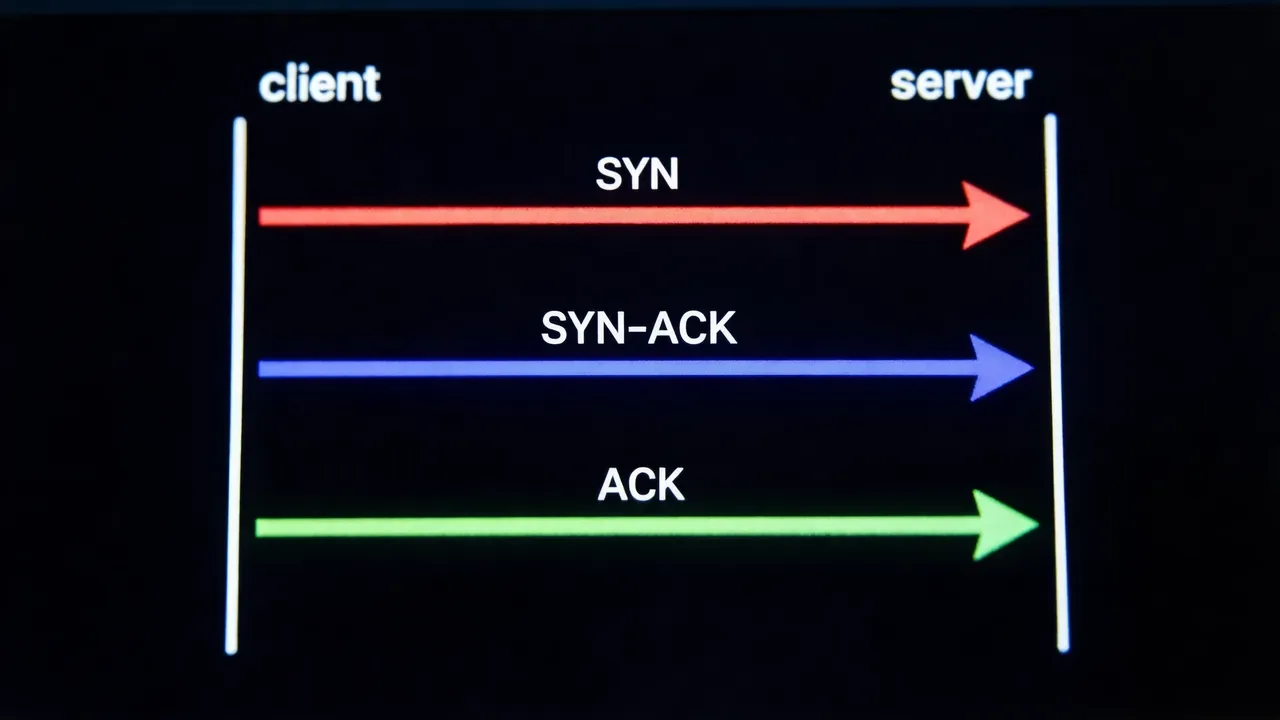
When a Connection Won't Open: Reading the TCP Three-Way Handshake in a Capture
A client that cannot reach your service is usually a layer-3 or layer-4 problem, not an application bug. Reading the TCP three-way handshake in a capture is the fastest way to find out. Open a saved pcap, switch to the sequence diagram in the flow detail, follow SYN, SYN-ACK and ACK to see which step stalls, then drop back to the raw packet to check the TCP flags.

A Bare Port Number Still Speaks: Fallback Service Identification with the Port Knowledge Base
Staring at an encrypted flow you can't parse, with nothing but a bare port number to go on? This walkthrough shows how the session list's port knowledge base turns that number into a service name, where that clue stops being reliable, and when it's worth digging deeper.
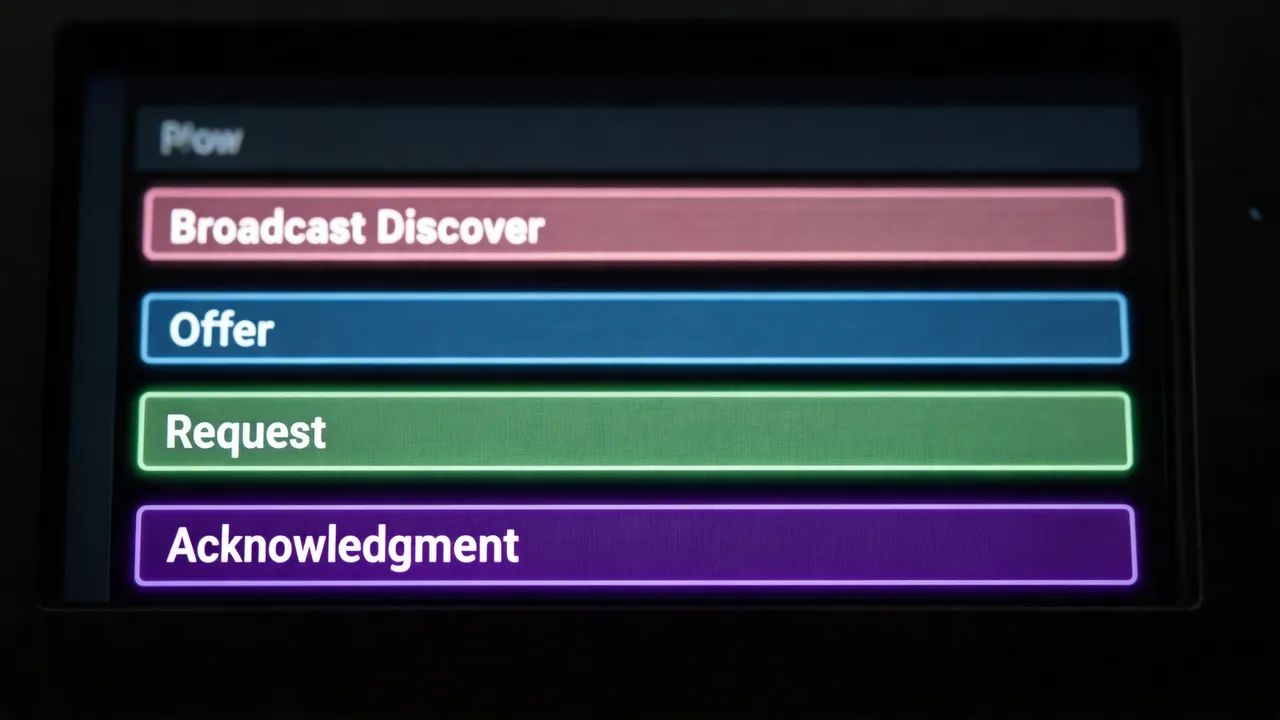
No IP Address? Reading the DHCP DORA Exchange in a Capture
Your device associates with Wi-Fi but never gets an address, ending up on a 169.254.x.x fallback. Reading the DHCP DORA exchange in a capture is the quickest way to find the cause: filter for dhcp in PcapDecoder, follow DISCOVER, OFFER, REQUEST and ACK to see where the sequence stops, then read fields such as msg_type, lease_time and server_id to tell a silent server from an exhausted pool or a rejected client.
VoIP Call Analysis with SIP and RTP
Calls with noise, one-way audio, or half-open connections — how do you pinpoint these complaints with a capture? This article explains how to read the SIP call setup process and analyze RTP media streams, with criteria for common call quality problems and an evidence path.
How to Analyze a TLS 1.3 Handshake: From ClientHello to Application Data
TLS 1.3 compresses the handshake from two round trips into one, but encrypted extensions and 0-RTT make analysis trickier. Using a real packet capture, this article breaks the handshake down packet by packet — what each packet does, and which fields to look at.
How to Analyze RADIUS, BGP, and OSPF Traffic: A Hands-On Packet Capture Walkthrough
Authentication failures, route flapping, neighbors that won't come up — problems with network devices always end up in a packet capture. Using three real captures, this article shows what to look for in RADIUS, BGP, and OSPF traffic, and how to analyze each one in PcapDecoder.
QUIC Traffic Analysis: Capturing and Decrypting HTTP/3
QUIC moves the transport layer into user space, so captures look nothing like TCP. This article breaks down QUIC packet structure, the encryption mechanics of Initial packets, and how to extract meaningful intelligence from QUIC traffic with PcapDecoder.