
Basics
6 articles
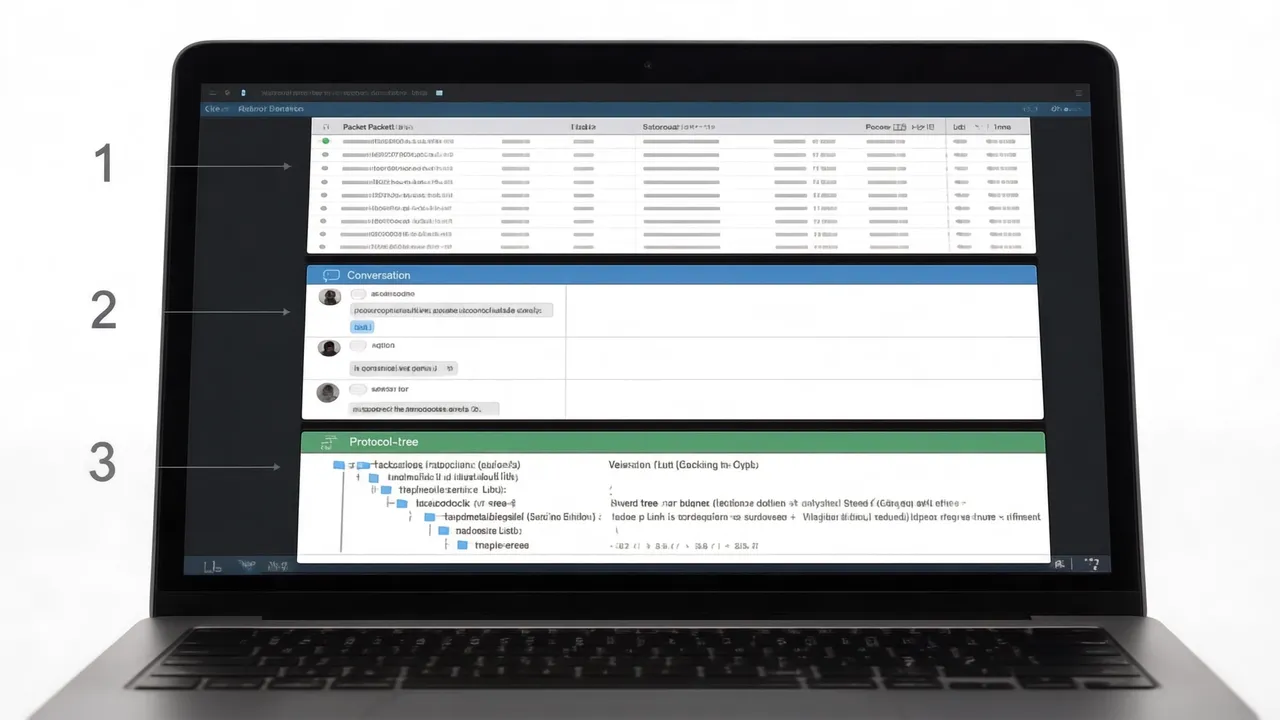
New to Packet Captures? Three Views to Read Them In
Open your first pcap and you're greeted by tens of thousands of rows and a wall of hexadecimal — so most people start at the top and read downward, and get lost by row thirty. Learning how to read packet captures is less about memorizing terminology and more about having an order: start with the packet list for the big picture, switch to conversations to group packets into dialogues, then drill into a single packet's protocol tree and hex dump. This article walks that order step by step.
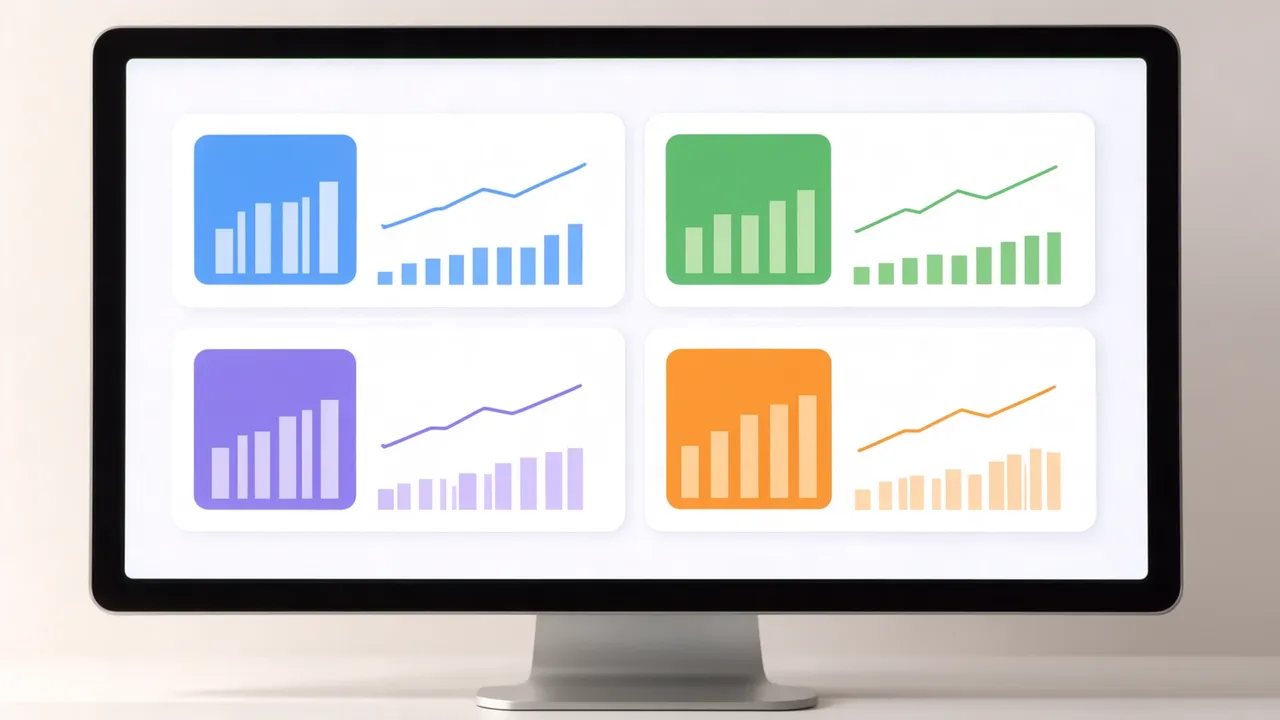
The Six Numbers on Screen One: Reading the Data Cockpit
Open PcapDecoder in the morning and screen one is not a menu — it is a set of numbers with something to say. This guide reads the cockpit top to bottom: the Hero total, the six KPI cells, the AI overview, and recent files, with the 7/14/all windows, the trend arrows, and the active-day count explained.

PCAP File Viewer: How to Open a PCAP File (Beginner's Guide)
Looking for a pcap file viewer or wondering how to open a PCAP file? What format are .pcap and .pcapng captures, what is stored inside, and why do some files refuse to open? This beginner's guide walks from binary format fundamentals to hands-on practice.

Mobile Packet Capture: How to Capture Traffic on Android & iOS (Wireshark for Mobile)
'How do I capture traffic on a phone?' and 'is there a Wireshark for mobile?' are high-volume long-tail questions. This guide compares the viable mobile packet capture approaches on Android and iOS — their use cases, steps, and limitations — and shows the four-step analysis in PcapDecoder right after the capture, so you can pick the right tool and skip the detours.

PCAP vs PCAPNG: What's the Difference and Which to Use
Both are packet capture files, yet the file extensions differ. This article explains the core differences between pcap and pcapng at the binary structure level, shows how to open both formats in PcapDecoder, and gives format selection advice for everyday scenarios.

Packet Filter Cheat Sheet: Display Filters and BPF
Filters are the efficiency core of packet analysis. This article compiles a cheat sheet of commonly used filter expressions organized by protocol — Wireshark display filters and tcpdump BPF syntax side by side — and shows how to achieve the same filtering in PcapDecoder with zero syntax overhead.